The opening of the Dee J. Kelly Alumni and Visitors Center is a watershed in the history of TCU alumni and their relationship to alma mater. This building’s campus prominence signals the growing importance of alumni involvement in TCU, and its handsome spaces leave no doubt that they will be the focus of much that happens at the university in the new era.
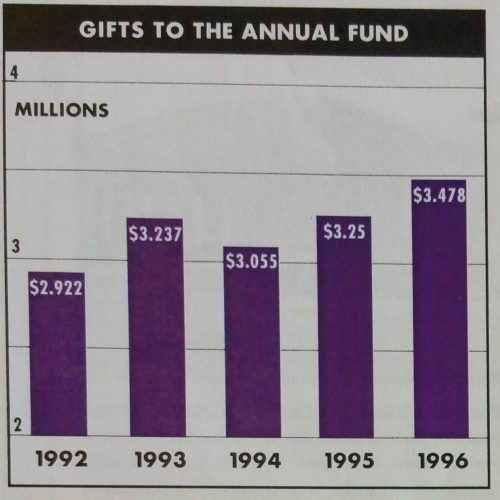
Gifts to TCU’s Annual Fund increased from 1992 to 1996.
In many ways, however, the Kelly Center represents the culmination of five years of strengthening relationships between TCU and its alumni. It began with an alumni board retreat in 1991 and the creation of a strategic plan, including expanding the board to 40 representatives and the Alumni Relations office staff to four professionals and two support staff.
A greater emphasis was placed on reunions. A reunion giving program began. Alumni involvement increased in career planning and placement, in student recruitment and in fundraising. And the numbers of alumni programs in chapter and non-chapter cities were significantly boosted.
Five years later, we can report much progress. During 1995-96, the Alumni Association and our alumni staff managed 73 events in 29 cities involving 6,531 alumni and friends. And more than 1,025 alumni volunteered across a wide spectrum of university activities.
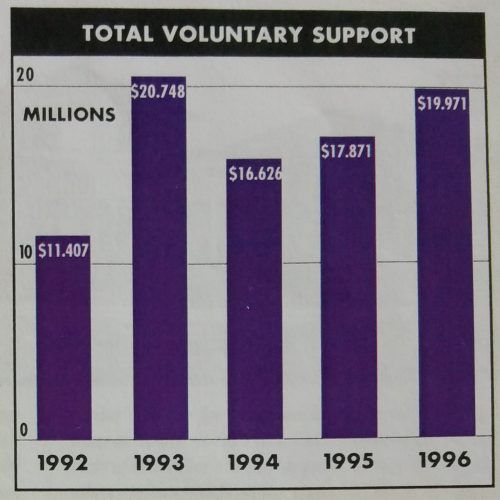
Voluntary contributions to TCU grew in 1996.
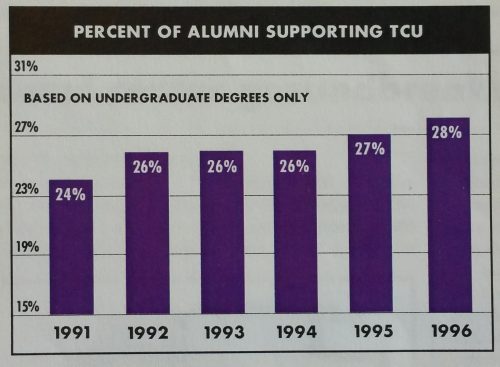
TCU alumni gave $9.3 million in gifts and helped to set a new record for the university’s Annual Fund. Some 28 percent of our 55,000 alumni contributed, a record number, up from 24 percent five years ago. And alumni who have never made a gift fell from 49 percent to 41 percent during the same period.
How important is all this?
Behind every quality university is a vibrant alumni body, possessing great expectations for alma mater. These alumni want their university to excel on the playing fields, in the classroom and at the boundaries of new knowledge. Our alumni are no exception.
Alumni participation is increasing from 1991 to 1996.
TCU strives to be a better university. To do so, it is looking to its sons and daughters more than at any time in its history: looking for help in recruiting good students and providing advice in the career planning and placement enterprise., seeking leadership and counsel for its many boards and committees, counting on alumni support for its athletics teams, and trusting in alumni gift-giving for its fund-raising objectives as it pushes to complete The Next Frontier Campaign.
I hope that in the days and months ahead, as we call and visit you, you will understand our special needs for support and participation — and continue to respond in such splendid ways.
There are no stains on the carpet. The windows are sparkling clean. No cobwebs in the light fixtures. Indeed, the building is brand new.
However, upon entering the front doors, you are struck with an overwhelming sense of tradition and history: the 1890 home of TCU co-founder Randolph Clark; a black-and-white print of the 1910 Waco campus; the same campus a day later, on March 22, 1910, when the Main Building burned, leaving only a brick and mortar shell.
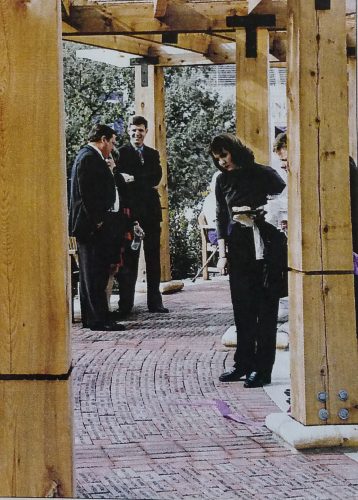
Thirty-two major donors helped finance the $6 million cost of the Dee J. Kelly Alumni and Visitors Center, but some 1,700 other Frogs purchase bricks to defray the center’s operating expenses. The engraved stones are laid in a curved walkway along the lower terrace of the center. (Photo by Linda Kaye)
Of course, I am referring to the Dee J. Kelly Alumni and Visitors Center, dedicated Homecoming weekend. Throughout the facility, TCU’s past is captured in pictures on display, significant events and some not so, each tracking a common theme: Something special has taken place over the years on this campus, building a rewarding and binding tie on the part of students and alumni to the university.
It’s called Horned Frog pride.
From the moment you enter the Joiner Lobby, you will begin to feel a renewal of your own feelings about TCU. And the Kelly Center now provides a way to bring you back to our campus for a diverse agenda of alumni-related events. But you do not have to wait for those invitations to see the Kelly Center. It is designed so you may stop by anytime to browse.
If you intended to spend only 10 minutes to “look around,” you will take 20 rediscovering all that is TCU. (And that includes horned frogs; the Ray Gallery, for instance, sports every form of horned frog known to man, or at least to Jerry Ray ’58 of Austin.)
Special gratitude should be directed to the foundations and individual donors who made the many areas of the center realities. And adjacent to the Blackmon-Mooring Fountain are the “bricks,” each personalized, each indicating an effort to defray the operating costs of the center.
Come visit the Dee J. Kelly Alumni and Visitors Center — and you’ll see what I mean about the place, about the pictures, and about the pride.
The TCU Baseball team is not the only Horned Frog champion with big dreams in Omaha this weekend.
Recently graduated swimmer Ford Story ’16 also is representing the purple and white in Nebraska, as he takes to the pool at the U.S. Olympic Trials on Sunday morning. Ford will face 150 competitors in the 100-meter breaststroke. Only two make the 2016 Olympics in Rio de Janeiro, Brazil.
“It’s going to be the studs of the studs of the sport, a really amazing atmosphere,” said Story, a native of the Houston area. “Just to be in the pool with other Americans who are the best in the nation and want to represent their country is an honor. A few world records may fall.”
Michael Phelps and Ryan Lochte, household names in the sport, are among them, although neither will compete in Ford’s event.
But the May graduate has his own credentials. In February, he won the 100-yard breaststroke at the Big 12 Conference Championship, becoming only the second Horned Frog to be an individual league titlist since TCU joined in 2012-13. He just missed making the NCAA Championship meet.
“It was a David versus Goliath situation, and David won that day,” quipped TCU coach Richard Sybesma, who has been with the Frogs since 1978. “In fact, David dominated. Ford was 77-hundredths faster than second place. That’s not close.”
Yet, Ford is in Omaha this weekend because of another race – against time. In December, he earned the chance to compete at the Trials with a qualifying mark of 1:03.46, which he achieved at a 50-meter, long-course pool in Lewisville. The TCU Recreation Center Pool, where the Horned Frogs train and host meets, is a 25-yard, short course facility.
The qualifying time was a surprising triumph, a mere two-tenths of a second under the cut time. It came after Ford rededicated himself to working with Sybesma all last summer after a “disappointing end” to his junior season in which Ford finished fourth at the Big 12 meet and was more than a half-second slower than his sophomore breakout season, when he finished second in a photo finish.
Stung by the setback, Ford focused on long-course training at Forest Park and Wilkerson-Greines pools, knowing that improving at the longer distance with its fewer turns and longer, more frequent strokes would help with the short-course regimen that totals 6,000 yards per week.
“I’d only done short course in high school and TCU,” said Ford, who set the Texas prep record in the 100 breast as a senior and was a high school All-American in his signature event and the 200 medley. “I never swam for a club team, so I’d never had experience with long-course. It was a bit overwhelming at first.”
By the end of the summer, he’d increased his strength and was comfortable with the increased distance. Once the Big 12 season was over, he went back to the long-course regimen exclusively to get ready for Omaha.
“I know what I have to focus on: staying relaxed and maintaining stamina, really concentrating on making the last 20 meters my best.”
Ford’s time ranks him 118th entering the event, but he and Sybesma have their sights set high.
The coach is eager to see how the training helps his pupil.
“He’s worked hard to shave seconds off his time,” Sybesma said. “It’s a tremendous honor just to be here. Because American swimming is so dominant, in many ways, the U.S. Trials are faster than the Olympics. Ford’s got a place here because he worked hard. I can’t wait to get to race day.”
Meanwhile, the swimmer himself is more relaxed, saying he wants to go into the meet with close to zero expectations and a completely open mind. On Friday night, he watched one of his roommates Mitchell Traver pitch for the Frogs against Coastal Carolina.
“I’ve never been in anything of this magnitude. I’m just going to live in the moment and have fun,” Story said this week before traveling to Nebraska.
But he also admits to having two goals for Sunday. “Athletically, I want to finish in the top 16 and get to the semifinals. I know that probably means a ‘one-double-o’ – a minute flat. Emotionally, I just want to take everything in and enjoy every moment.”
Representing TCU, especially at the same time the baseball team is advancing through the College World Series, makes this weekend even more special, Ford said.
“I don’t stress very much. I’m going to take this like any other day. But it’s one I won’t forget for a long time.”
Effective dean, administrator and fundraiser for 28 years, E. Leigh Secrest helped TCU grow its graduate programs in student enrollment and research as well as secured support for two of the campus’s largest academic buildings.
Secrest died April 22. He was 88.
A Phi Beta Kappa graduate of Massachusetts Institute of Technology with a Ph.D. in theoretical nuclear physics, Secrest joined the University in 1965 as president of the TCU Research Foundation and dean of the Graduate School. He held that post until 1968, when incoming Chancellor James Moudy appointed him vice chancellor for advanced studies and research, a post he held until 1972.
Under Secrest’s tenure, the University added a doctoral program in its history department and saw an uptick in awarded doctoral and master’s degrees.
His appointments included faculty roles in the department of physics and later in finance at the Neeley School of Business.
Secrest was effective at cultivating new donors and funding sources for graduate fellowships, faculty appointments and research projects — which reached a high point in 1968 when graduate enrollment was at its peak.
In that year, the TCU Research Foundation supplied $1.8 million in graduate education and research. Secrest also coordinated the counsel of a 15-school Research Advisory Council that included Harvard, MIT, Princeton, Emory, Stanford and Rice.
Secrest’s fundraising made a lasting impact on the campus. With Moudy, he helped secure financial support for the Sid W. Richardson Physical Science Building and Winton-Scott Hall of Science in the late 1960s, including the largest single building grant in the university’s history at the time — a $3.4 million gift from the Sid W. Richardson Foundation. Secrest also helped TCU add another $2.2 million through the Higher Education Act of 1963.
In the 1970s, he switched from academics to finance, heading that vice chancellor’s post until his retirement in 1993.
In 1972, he was given the Continental National Bank of Fort Worth Chair of Management Science in the Neeley School.
Born in Tioga, Texas, on Jan. 5, 1928, to the late Walter Everett and Jewel Holloway Secrest, he graduated from Tioga High School and attended North Texas State University. After receiving his master’s degree in physics in 1948, he married another North Texas student, Bettye Jo Porter. He returned to NTSU after earning his PhD from MIT and served on the physics faculty for three years.
For a number of years, Secrest worked in the defense and reactor industries as a nuclear physicist. He was chief of nuclear physics at General Dynamics in Fort Worth from 1954 to 1957 before taking a management position with Babcock and Wilcox Co. of Lynchburg, Va. In 1959, he went back to General Dynamics, this time as the company’s chief scientist.
He never strayed far from the classroom. In 1964, Secrest spent a year as associate dean for graduate studies and research at the College of Engineering at the University of Oklahoma, before coming to TCU.
Today, TCU houses its Extended Education program in the Secrest-Wible Building.
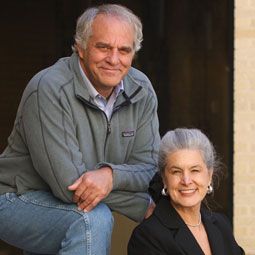
Internationally renowned child development expert Dr. Karyn Sue Brand Purvis ’97 (MS ’01 PhD ’03) devoted her life and academic pursuits to helping “children from hard places,” a phrase she coined to describe youngsters affected by trauma, abuse and neglect.
“There’s not a child she cannot heal,” psychology professor Dr. David Cross, her longtime mentor and research partner, told TCU Magazine in 2012.
Together, Purvis and Cross founded The TCU Institute of Child Development in 2005 and, through her charisma and kind-heartedness, grew it into one of the world’s leading training centers for caregivers and families grappling with social, behavioral and emotional struggles related to developmental impairments.
Purvis died April 12 after an extended illness. She was 66.
“I don’t think this it’s hyperbole to state that, save possibly for Gary Patterson, no recent TCU employee has brought more national and international recognition to TCU than has Karyn. She was passionate about all she did. Her passion was fueled by a keen mind and a huge heart. The world is truly better for her presence.” Dr. Phil Hartman, dean, TCU College of Science & Engineering
A best-selling author, respected scholar and popular speaker, Purvis earned a doctorate in developmental psychology from TCU. As part of her graduate work, she and Cross created a research-based philosophy for healing troubled children called Trust-Based Relational Intervention, which centered on earning trust and building deep emotional connections.
As the institute grew, Purvis assumed the title of Rees-Jones Director and co-authored The Connected Child: Bringing Hope and Healing to Your Adoptive Family to help adoptive parents understand the needs of children from hard places. Within six months, the tome ranked as an Amazon bestseller among adoption books.
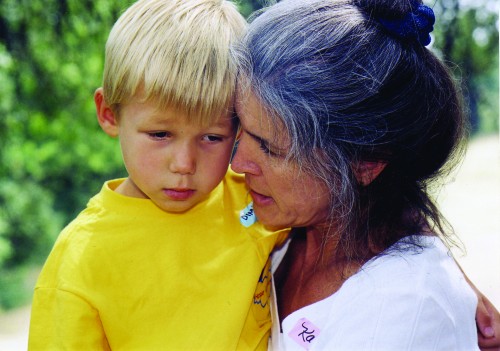
In 1998, Purvis and Cross serendipitously met with the Texas Parents Network for Post-Institutionalized Children in Fort Worth to put on a trial three-week day camp called Camp Hope. Daily activities focused on sensory stimulation and attachment behaviors. The experiment was a success as parents asked for more help.
The effort led to a formal research and intervention project called Hope Connection, a summer camp that served as a research and training lab for adopted children and their parents. It used therapeutic horseback riding, swimming, planting seeds, petting animals, painting and role playing.
Many adoptive parents, who marveled at her innate ability to playfully connect and see the real heart of a child, revered her as a “child whisperer.” To the thousands of children whose lives she touched, she was warmly known as “Miss Karyn, the queen of bubble gum!’’
“I thought we’d have a good time, learn from the children, find ways to chip away at some of the losses,” Purvis told the magazine in 2006. “I had no idea the chrysalis would open, and we’d find what we now call ‘the real child’ hidden under all these maladaptive strategies that kids have when they don’t feel safe.”
A foster parent herself and mother to three grown sons, Purvis was a pastor’s wife who went back to finish college when her youngest was an undergrad.
“She sat on the front row and was very eager, asking all kinds of questions,” Cross remembered. “She was fascinated by psychology.”
Purvis emerged a respected researcher, demonstrating how a child’s behavior, neurochemistry and life trajectory can change given the right environment. Among parents, she was an authoritative speaker and writer and trainer.
She also earned praise from her colleagues in TCU’s College of Science & Engineering.
“I don’t think this it’s hyperbole to state that, save possibly for Gary Patterson, no recent TCU employee has brought more national and international recognition to TCU than has Karyn,” said Dr. Phil Hartman, the college’s dean. “She was passionate about all she did. Her passion was fueled by a keen mind and a huge heart. The world is truly better for her presence.”
Purvis’s passionate pursuit of her mission inspired thousands, Provost Nowell Donovan said.
“In her love and care for children, Karyn struck right to the heart of humanity. She reminded and will always remind us, that we are all everywhere part of the same great family in which our shared obligation and joy is for each to care for the other,” he said.
“In her love and care for children, Karyn struck right to the heart of humanity. She reminded and will always remind us, that we are all everywhere part of the same great family in which our shared obligation and joy is for each to care for the other.” Nowell Donovan, provost
Purvis’s life mission was a calling that came early in her life.
Born in Atlanta, Georgia, on May 31, 1949, Karyn was the second of four children of Othal and Kay Brand. Her parents met and married in Quantico, Va., after serving time in the Marines during WWII. In 1954 the family moved to McAllen, Texas where her father became one of the world’s largest onion growers and a longtime mayor of McAllen.
A self-described “daddy’s girl,” Karyn recalled accompanying her father into the slums of McAllen, where he distributed food and worked to improve living conditions for migrant workers. She watched her mother offer aide to the sick and elderly in her neighborhood and church. As a child, she took in stray and wounded animals. As a teenager, she mentored at-risk children at school and trained horses.
By age 20, she married Burton Purvis, a graduating senior she met at Howard Payne University, a small southern Baptist college in Brownwood, Texas. She quit school after her sophomore year to move with her husband, a new minister, to Daytona Beach, Florida, where the couple started a ministry for street kids. She spent the next 30 years of her life raising her own sons and ministering alongside her husband as the embodiment of the ideal pastor’s wife, trusted and loved. Besides rescuing stray and injured animals, she loved to create beautiful crafts and calligraphy of Scripture.
Years later, her message and teachings at the Institute increased exponentially across the U.S. and more than 25 other countries. Her insight led to interviews and news coverage in Newsweek, The Chicago Tribune, The Dallas Morning News, Fort Worth Star-Telegram, KERA Radio, Dateline NBC, Focus on the Family, Parents, Fort Worth Weekly and countless other media outlets, blogs and webinars.
In 2008, then-Governor Rick Perry appointed her to chair a statewide committee tasked with raising standards for children in foster care. The National Council on Adoption honored Dr. Purvis with the title of Distinguished Fellow in Adoption and Child Development. She has received the James Hammerstein Award, the T. Berry Brazelton award for Infant Mental Health Advocacy, a Health Care Hero award from the Dallas Business Journal and numerous other awards and honors for her work on behalf of children.
Survivors include three sons: Dwayne Purvis, and wife, Katie, and their children, Bethany, Natalie, Matthew and David, of Fort Worth; Lou Purvis, wife, Jill, and their children Jackson and Ella of Flower Mound; and Jeremy Purvis and his wife, Jessica, and their sons William, Grant and Benjamin of Highland Village; older sister, Marjorie Lynn Ferrell, of Tyler; younger brother, Othal Brand Jr., of McAllen, and younger sister, Cynthia Brand, of Plano.
There will be a private funeral service for immediate family only. A public memorial is scheduled for Saturday, April 23 at 10 am at University Baptist Church in Fort Worth.
In lieu of flowers, please consider becoming a CASA volunteer or make a gift in memory of Dr. Karyn Purvis to the TCU Institute of Child Development. Please mail to Texas Christian University TCU Box 297044, Fort Worth, 76129.
On a study abroad trip last summer with a favorite professor, Adam Beasley went through a life-changing experience.
“[Honors professor Ronald Pitcock] asked us meaningful questions like, ‘What makes you tick?’ throughout the trip,” said Beasley, a junior entrepreneurial management major. “While the group had a confused definition for that phrase, the result of the trip was unchanged. I learned to be more intentional in my relationships. That lesson from Dr. P has radically changed my college career.”
The question also was part of Beasley’s post on TCU Admission’s Horned Frog Blog in December about the university’s strong sense of community and intimacy that permeates the university. The title: “What Makes TCU Tick?”
The weblog, which is updated weekly during the fall and spring semesters, features personal stories and perspectives. Topics range from learning experiences to information on courses and activities to advice for incoming freshmen. The idea is to give prospective TCU students a taste of life at the university.
Nearly four years after its debut in 2012, admission staffers say the blog has been a success, but they want to see it be even more diverse going forward.
“It is a great tool to make the admission process more accessible,” said Elizabeth Rainwater ’00 MBA ’10, director of admission marketing, stressing the importance of multiple perspectives.
Many of the student and faculty writers are among the most active on campus and may not represent every voice at TCU.
“The primary source of [student entries] are from our Student Ambassadors and our Student Foundation members,” said Rainwater. “They’re great— cream of the crop students—but they’re all tour guides. So they all sort know the same information and have similar experiences.”
Any current TCU student or alumnus who wants to tell their story would be a welcome change of pace, said Rainwater. “If an alumnus wants to write a submission, we would totally love to get that.”
“Research shows that the number one thing students and parents look for when choosing a college is career preparedness,” said Rainwater. “They’re looking for that point that is after you graduate. So to get the perspective of someone who has graduated and is using their degree, or not using their degree, we’d love it.”
New perspectives from students and alumni also help diversify the tone and content of the blog and look beyond the undergraduate experience, said Mollie Richardson ’15, an admission counselor, who helps vet blog entries.
“These [prospective students], all they know is social media,” said Richardson. “So the blog is a platform to deliver messages in a different way. It allows prospective students to get that perspective—what it’s like to be a Horned Frog—through storytelling.”
Rainwater said the blog also helps prospective students see the admission department in a different light. “The relationship can be very transactional, and that’s really not how relationships are here at TCU. We’re just not really a transactional kind of place,” she said. The blog is an accessible space “for students to see that we’re more than just a task list to be checked off.”
Adam Kelley is a senior journalism major from Kansas City, Mo., and is a TCU Magazine student writer during the Spring 2016 semester.
Texas Christian University and UNT Health Science Center have selected Stuart D. Flynn, M.D., dean of the University of Arizona College of Medicine-Phoenix, as the founding dean of the new M.D. school the two institutions are establishing in Fort Worth.
Dr. Flynn, who led a medical school in Arizona that started as a partnership between two universities, is expected to begin his new duties in April. He will oversee the development of an innovative education model focused on teamwork that benefits patients and shapes the future practice and business of medicine in North Texas and beyond.
“TCU, the University of North Texas Health Science Center and Fort Worth offer all the ingredients needed to develop a cutting-edge M.D. school with national aspirations,” Dr. Flynn said. “I am excited to build this school with valued colleagues, including a nationally recognized osteopathic medical school, a renowned and forward-looking nursing program, excellent pharmacy and public health schools, and several other high-caliber colleges at both universities.
“I see an opportunity for innovation that can impact health care in Texas for generations.”
As founding dean of the Phoenix medical school since 2008, Dr. Flynn oversaw development of the curriculum and guided the school through a complex accreditation process, growing the program from an initial student class of 24 to the current class size of 80. Each graduating class has had a 100 percent match rate for residencies, and more than half chose to pursue primary care disciplines — a major need in Texas.
Dr. Flynn said he believes in graduating physicians with the highest levels of medical knowledge and technical abilities, but also with patient-centered qualities of humanism such as empathy, respect and servant leadership.
“Those latter traits sound like common sense, but if not nurtured in medical school, students often can get overwhelmed by all they have to learn,” he said. “To accomplish our goal in improving the value of health care for all, we envision doctors who proactively work to keep people healthy, not just recognize disease and treat it.”
The M.D. school will establish Fort Worth as home to one of the nation’s most comprehensive health care educations located on one campus. UNTHSC has a renowned osteopathic medical school and graduate schools for pharmacists, physician assistants, physical therapists, public health experts and biomedical scientists.
“Dr. Flynn’s leadership style will fit seamlessly into the values-based culture we are building at the Health Science Center,” UNTHSC President Michael R. Williams said. “His vision for the future of medical education will create more adaptive, high-quality physicians prepared to meet the changing health care needs of Texas.”
The M.D. program is an extension of the two universities’ longstanding collaboration on science and health care issues affecting the Fort Worth community. To date, more than 1,200 students from nursing, speech-language pathology, social work, athletic training, medicine, pharmacy, physical therapy, physician assistant studies, public health and biomedical sciences have trained together on interprofessional education competencies. Existing collaborations include a range of programs that focus on everything from a community-based outreach program for older adults to a culinary medicine approach that explores everyday recipes for better health.
In addition, students in TCU’s Neeley School of Business and UNTHSC’s School of Public Health currently collaborate as part of UNTHSC’s master’s program in health administration and TCU’s health care MBA program.
TCU and UNTHSC announced plans to create the M.D. school in July 2015. The school will utilize existing facilities and resources on both campuses. It will require accreditation from the Southern Association of Colleges and Schools Commission on Colleges and the Liaison Committee on Medical Education.
“Having Dr. Flynn join us in this ambitious project is a tremendous step forward,” said TCU Chancellor Victor J. Boschini Jr. “His expertise in navigating the complexities of a new medical school, combined with his passion for mentoring the leaders and critical thinkers who will drive health care transformation, fully aligns with the mission of Fort Worth’s M.D. school. We’re so happy to welcome him to campus and to our community.”
Dr. Flynn received his medical degree and residency training at the University of Michigan. He completed his fellowship in oncologic pathology at Stanford University and served as a professor of pathology and surgery at the Yale University School of Medicine before taking the Phoenix post.
Flynn is author of more than 100 articles, books and monographs. He has received numerous honors, including America’s Top Physician’s Award from the Consumers’ Research Council of America; Teacher of the Year at Yale University School of Medicine; founding member of Yale’s Society of Distinguished Teachers; and the Averill A. Liebow Award for excellence in the teaching of pathology residents, also at Yale.
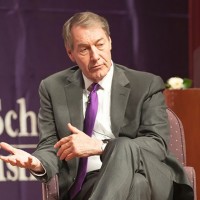
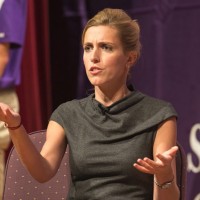
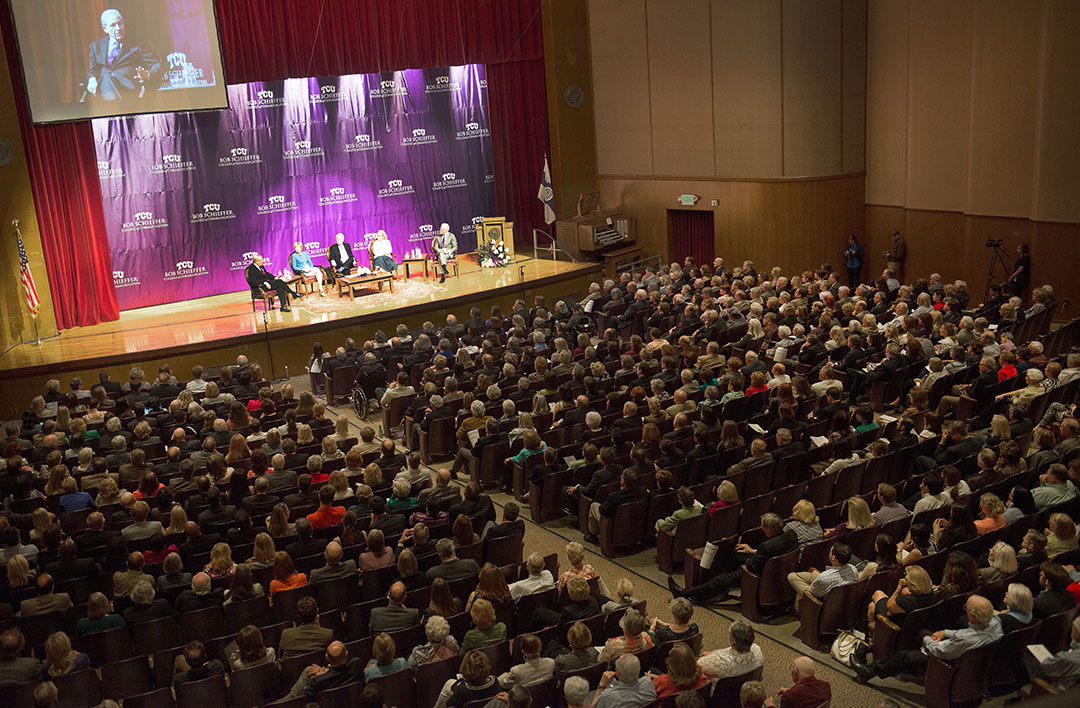
In April 2015, Bob Schieffer ’59 surprised everyone at his 11th Symposium on the News by announcing his retirement from CBS, wrapping up a 58-year career as a reporter that began in Fort Worth. His last show as anchor of “Face The Nation” was in May.
In January, the newsman confirmed that the annual panel discussion would not return. He told student media outlet TCU360 that he believed in ending on an upswing.
The forum’s 11 year-run, seen by more than 12,000 attendees, covered the major headlines of a rapidly changing world — three presidential elections, wars in Iraq and Afghanistan, the Arab Spring, gridlock in Washington, terrorism, a worldwide economic downturn and the journalism industry in transformation. To provide context and imagine what’s ahead, Schieffer brought friends, competitors and media thought leaders to join him in “talking shop” — 43 in all.
Today, their analysis seems prescient. Here are the best quotes from more than a decade of media insights:
2005
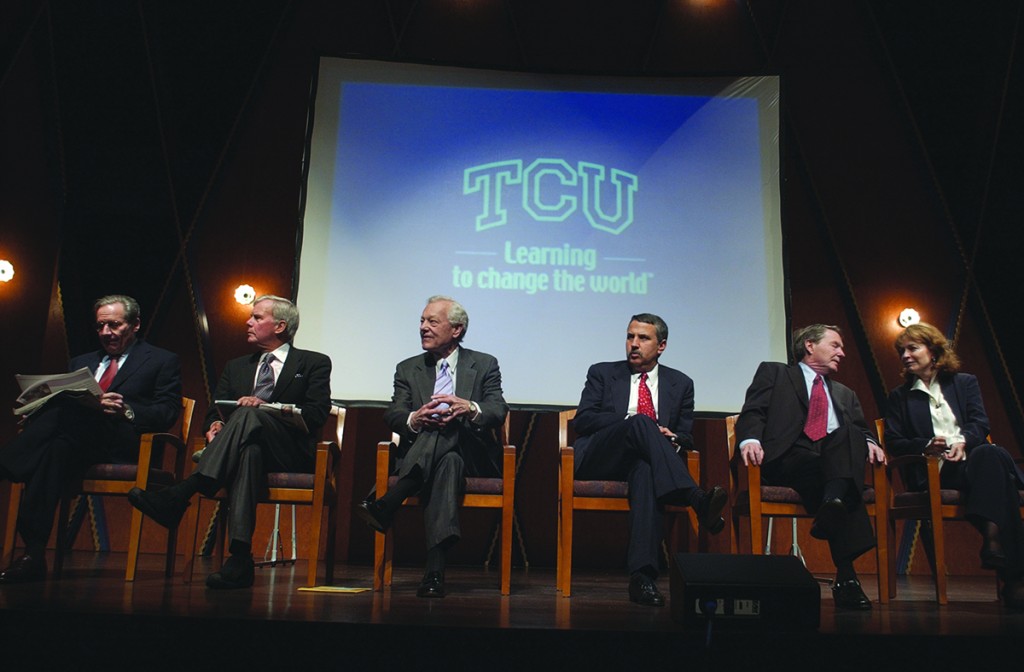
Bob Woodward, Tom Brokaw, Bob Schieffer ’59, Tom Friedman, Jim Lehrer and Kate Lehrer ’59 were the participants in the first annual Schieffer Symposium on the News in 2005. (Photo by Linda Kaye)
Tom Brokaw
former anchor
“NBC Nightly News with Tom Brokaw”
“The rise of 24/7 television and cable has a voracious appetite. An easy way to feed it is to keep conflict going constantly between the left and the right. Therefore, you have this polarization. We must be pro-gun or anti-gun, pro-rights or anti-rights on abortion. I think it’s not good for the country.”
Bob Woodward
author/journalist The Washington Post
“[President George W.] Bush has a policy of ending tyranny everywhere. But how many tyrannies are there in the world? You need a very specific policy for how you deal with Lebanon, Syria, North Korea, countries in Africa, Iran. And when you look at the Bush administration, there is a mindset of one-size-fits-all. Well, it is not a one-size-fits-all world.”
Kate Lehrer
author
“The money that makes politics work comes from people who feel strongly about one issue or are the people that are the real advocates. Moderates do not put money into moderate positions. They only put money in extreme positions.”
Thomas Friedman
columnist The New York Times
“High schools in America are becoming obsolete. It’s a quiet crisis that is a product of the fact that the greatest generation of American scientists is retiring. We never filled in with a new generation of scientists and engineers and mathematicians.”
Jim Lehrer
anchor
“PBS News Hour”
“There is a disconnect between what we’re doing in Iraq and the great vision of democracy and protecting ourselves from terrorism. A very small group of Americans is really doing the work for the rest of us, and I think that we’re going to be forced into a debate about national service, possibly a draft.”
2006
Joining Bob Schieffer in 2006 were Len Downie, Jill Abramson, Judy Woodruff and Larry Kramer. (Photo by Linda Kaye)
Jill Abramson
managing editor The New York Times
“We were talking to a reporter who is returning to Iraq, and he said the biggest frustration and challenge isn’t worrying about the danger. It’s that they can’t get out and talk to enough real people. And bloggers don’t do that at all. There are citizen bloggers in Iraq who have made a contribution, but you need professional journalists who know how to operate and who have standards and who collect the facts and reach conclusions – not because it’s their opinion, but because they have gathered the information and really worked hard.”
Len Downie
Executive editor The Washington Post
“News is the most important word in newspapers. We’re going to put news in all different platforms because we have the people who know all about science and about the Pentagon and about the war in Iraq and about the State Department and about the Redskins and the Washington Nationals – people who are experts in these areas. That’s a commodity we have that people are still interested in.”
Judy Woodruff
correspondent
CNN, PBS, NBC
“[Bloggers’] agenda is really an opinion agenda. And the agenda of the mainstream media – we hope and we believe – is to report the news. But they have set upon the mainstream media in many cases and made it seem as if we do have an agenda like theirs but on the opposite end of the spectrum.”
Larry Kramer
president
CBS Digital Media
“Nobody knows what [new ways of getting news] going to look like. It will involve all the media. It’ll involve print in some form and the Internet and computers. And it will involve BlackBerrys.”
2007
On the 2007 panel were Tim Russert, Bill Keller, Jan Crawford Greenburg and Earl G. Graves. (Photo by Linda Kaye)
Jan Crawford Greenburg legal analyst ABC News
“The president has the authority to fire and hire any of these federal prosecutors as he sees fit. And that was the White House’s position early on. As this story has trickled out – information here and there, some of it conflicting – it suggests there is something more behind some of these firings. Whether a crime was committed or not, I think everyone can agree this was botched from the beginning in the way the Justice Department handled it.”
Bill Keller
executive editor The New York Times
“Whether you like [Hillary Clinton] or don’t like her, whether you support her or don’t support her, you have to take her seriously as a candidate.”
Earl G. Graves
editor and publisher Black Enterprise magazine
“The question is the candidates, where are they going to stand on the [Iraq war]? Are they going to make it enough of an issue that it’s going to assist in ending the war? I happen to think we’re going to be there for many years because I don’t see how you extricate yourself from this situation.”
Tim Russert
host
“Meet The Press”
“[Scooter Libby] filed a viewer complaint. And he says during the course of that complaint to me that he learned for the first time about Valerie Plame. Well, it didn’t happen. I didn’t know who Valerie Plame was. As it turns out, the jury obviously, hearing all the testimony, concluded that he knew it far earlier than having talked to me. I told the truth. I didn’t enjoy it. I don’t relish what happened to him and his family. But I also realize as a journalist I don’t believe I had any choice.”
2008
The 2008 panel was highlighted by Roger Mudd, Robert Novak and Al Neuharth. (Photo by Glen E. Ellman)
Roger Mudd
reporter
CBS News, NBC News
“I can’t imagine Barack Obama
really wanting Hillary Clinton on the ticket
because Bill Clinton will be living
in the White House.”
Al Neuharth founder USA Today
“The real issue will be [John] McCain’s age.
I’m 84. I remember when I was 71.
At night after 9, you wouldn’t want me
picking up the red phone. I propose a maximum
age [for the presidency] of 65.”
Robert Novak columnist Chicago Sun-Times
“Take all the indicators – unpopular president, unpopular war, bad economy – and it points to a Democratic win. But we don’t have that kind of cut-and-dried election.”
2009
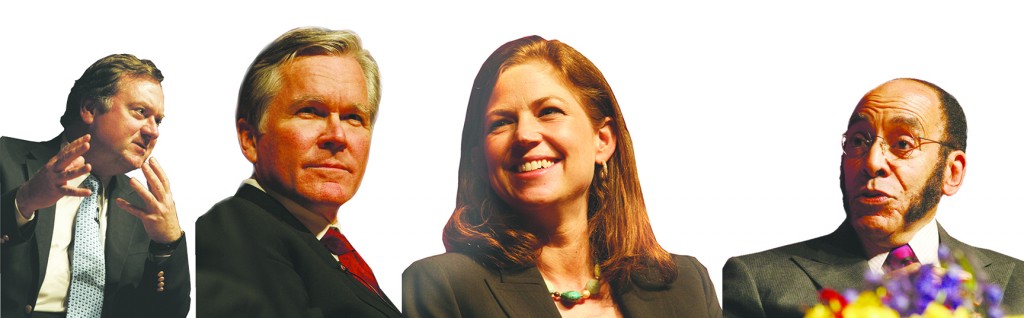
In 2009, panelists included David Brooks, Trish Regan,Gwen Ifill and Mark Shields. (Photo by Glen E. Ellman)
Gwen Ifill
host
“Washington Week”
“I’m not certain I would call it bias as much as intensity. I sometimes think our coverage is bring driven by the intensity of voters for whether you all it change or whether you call it reversal of direction. Whichever, they are hanging a lot on the outcome of everything [President Obama] does and says. There is just this obsession. And so we just try to keep up by covering it.”
DavidBrooks
columnist The New York Times
“The public is nervous and apprehensive, but they’re rooting for President Obama. For all the adulation, I think that there’s been a level of scrutiny on the stimulus package and examination of his Cabinet choices.”
Trish Regan
anchor
CNBC’s “The Call”
“The attitude is that it’s not enough to make a difference. [President Obama] should tackle one thing at a time, and the most important problem he can address is solving the financial crisis and loosen up credit flow.”
Mark Shields
commentator
“NewsHour with Jim Lehrer”
“Any bias the media has is toward winners. Karl Rove was hailed as a genius after the Republicans won the White House in 2000 and 2004, yet few view him as such today. [President] Obama was viewed as a underdog when the election season began. His meteoric rise fueled much exposure.”
2010
The 2010 symposium featured William Kristol, Maureen Dowd, Ann Curry and Michael Eisner. (Photo by Glen E. Ellman)
Ann Curry
anchor
“Dateline NBC” and “Today”
“When we do a lot of this kind
of reporting [on atrocities in Darfur and Sudan],
we notice that the American people
don’t want to watch it.”
Michael Eisner former CEO
Walt Disney Co.
“Washington is not broken. America is cracked, and it is a reflected in Washington. We’re not out of the economic funk, which is incredibly serious. All these issues come down to economics. That’s what needs fixing. The system in Washington, with its three parts of government and checks and balances is fantastic. It’s not as simple as ‘Is Washington broken?’ We’ve spent ourselves into a problem.”
Maureen Dowd
columnist The New York Times
“[President] Obama came in with this image of himself as leading a team of rivals, and he would come in and smooth the waters and fix everything up. I think he still wants to do that. But the fact that he could not do it this last year was when he was very confident he could, it was very startling to me as a Washington native. I was surprised at how tough it was for him.”
William Kristol founder and editor The Weekly Standard
“[President] Obama decided to surge troops into Afghanistan. Republicans on the Hill supported him. Conservative journalists supported that. On Iraq, it’s been a basic consensus that we should draw down, but not too fast. With the nuclear announcement on Iran the other day, it was a very muted response. Secretary Gates, of the Department of Defense, is a bipartisan appointment. Secretary Clinton has good relationships with Republicans on the Hill. I can objectively say that I don’t think there has been a single partisan vote on foreign policy in the Congress since Obama became president, except maybe a little on war on terror issues and Guantanamo issues. ”
2011
Panelists in 2011 includedJoe Scarborough, Arianna Huffington, Mika Brezezinski and Brit Hume. (Photo by Glen E. Ellman)
BritHume
commentator
Fox News
“It doesn’t matter who the Republican nominee is. The [2012 presidential] election is going to be about whether the public believes it should replace the president or not.”
Arianna Huffington founder
The Huffington Post
“Is it too late for the Republicans? Shouldn’t they have a favorite by now if they’re going to win? An independent candidate that could attract voter disgusted with both the GOP and [President] Obama would be the most interesting element of the race.”
Mika Brezezinski
co-host
NBC’s “Morning Joe”
“People have invested a lot of hope in the whole concept of [President] Obama. Whatever it’s worth, it’s going to take a strong individual candidate to really knock that down. This should be a huge opportunity for a Republican candidate, but there isn’t one. They’re all flawed. And it seems surprising, especially given how people feel.”
Joe Scarborough
co-host
NBC’s “Morning Joe”
“[The 2012 presidential election] is going to be a referendum on [President] Obama and how the public believes he has handled the economic recovery and what the unemployment rate is.”
2012
In 2012, the symposium welcomed Chuck Todd, Norah O’Donnell, Jake Tapper and John Harris. (Photo by Glen E. Ellman)
Jake Tapper
senior White House correspondent
ABC News
“Republicans look at four years ago when Obama got 53 percent to McCain’s 47 and think, ‘Obama’s never going to get more than 53 percent.’ So they’re fighting over this 6 percent, about 3 to 4 million people. They’ve got to convince them that it’s okay to like the president but not vote for him because of disappointing results.”
Norah O’Donnell
chief White House correspondent
CBS News
“If Barack Obama makes the election
about Mitt Romney, he wins.
If Romney wins, he will have made
it about the economy.”
JohnHarris editor-in-chief
Politico.com
“[Mitt Romney] can’t argue about the economy or sway voters if he can’t restore his image. One of the great challenges in politics is to get people to view you as you view yourself. He came perilously close to losing control of his public image in the primary. He’s an experienced businessman who is now cast as an elite, out-of-touch executive who laid people off, sort of this expedient figure. He has to reframe that.”
ChuckTodd
chief White House correspondent
NBC News
“The race to the White House is going to be very close and very negative. Both parties, mechanically, have never been closer.”
2013
The 2013 forum included Clarissa Ward, Nancy Youssef, Fred Barnes and Charlie Rose. (Photo by Glen E. Ellman)
Nancy Youssef
Middle East bureau chief
McClatchy Newspapers
“There seems to be this repeated mistake by the U.S. of unintended consequences. It’s the idea that if you liberate Egypt from [deposed dictator Hosni] Mubarak and bring democracy, that they’ll be better off. And they’re not better off. In fact, the consistent threat now is, because of these miscalculations, there is actually less U.S. influence in the entire region.”
Fred Barnes
executive editor The Weekly Standard
“[Pakistan has] nuclear weapons. [The U.S. doesn’t] have the luxury of pulling out of Pakistan. There are countries that we may not like, and they may not like us, but we need to have influence in that region and have them be dependent on the U.S. for aid and defense.”
Charlie Rose
host
“CBS This Morning” and PBS’ “Person to Person”
“The worry [about North Korea nuclear tests] is that there will be a repeat of World War I. Somebody miscalculates and takes the wrong step, and somebody reacts. Then you’re off to the races.”
Clarissa Ward foreign correspondent
CBS News
“The Arab Spring has set off a chain of dominoes. What we’re watching now are the consequences of [U.S.] miscalculations and misreadings. No-fly zone strategies have backfired and resulted in Libya hitting civilian targets. The U.S. just doesn’t have the influence it did a few years ago. The things that were leveraged before just don’t matter to people the way they did. It’s breathtaking how much U.S. influence has diminished just this last year. Aid packages aren’t as effective. American ability to negotiate talks is weaker than before.”
2014
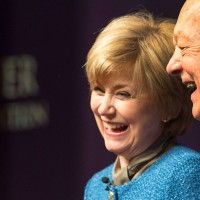
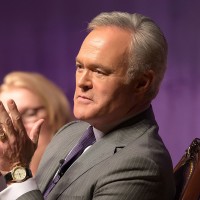
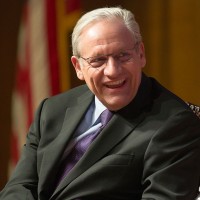
A sellout crowd heard symposium speakers Bob Woodward, Jane Pauley, Peggy Noonan and Scott Pelley. (Photo by Glen E. Ellman)
Peggy Noonan
columnist The Wall Street Journal
“I see more of an anti-incumbent
wave than an anti-Democratic wave
coming in the next few years.”
Jane Pauley
correspondent “CBS Sunday Morning”
“There are no moderates. All of these
problems [with choked lines of
communication in Washington and
divisive political strategies] will play
a huge part in the 2016 presidential
election.”
Scott Pelley
anchor
“CBS Evening News with Scott Pelley”
“The Internet has created an environment
where too much bad information is
available to the public. People are looking
for a brand they can trust.”
Bob Woodward
author/journalist The Washington Post
“[Gridlock in Washington] is a leadership
problem in both parties. [President] Obama is
isolated in so many ways – he hasn’t built
relationships among Republicans or
Democrats.”
2015
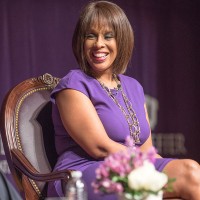
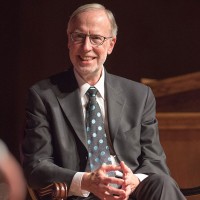
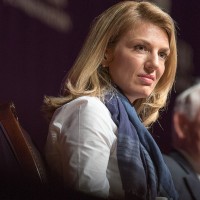
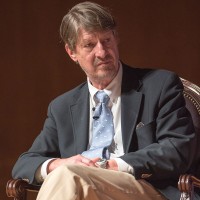
In 2015, Bob Schieffer ’59 announced his retirement from CBS with applause from panelists P.J. O’Rourke, Holly Williams, Gayle King and Dan Balz. (Photo by Glen E. Ellman)
Gayle King
co-host
“CBS This Morning”
“It’s interesting. At last count,
only 27 percent want
[Boston Marathon bomber] Dzhokhar Tsarnaev
to get the death penalty.”
Dan Balz chief correspondent The Washington Post
“[The Republicans have] a series
of preliminary races and that
is what is starting to take
shape. It’s a wide open race.”
Holly Williams
foreign correspondent CBS News
“You can’t airstrike ISIS.
You need effective ground
forces which Iraq doesn’t have.”
P.J. O’Rourke
political satirist
“I’m a little worried about
journalism. I think modern journalists are taking
themselves too seriously.”
Growing up in Illinois in a suburb of Chicago, how did you come to play baseball at TCU?
“Well I got a good break. One of last year’s pitchers, Alex Young, is from a town about five minutes from me. So when we played each other, Coach [Tony] Vitelo, who was the recruiting coordinator before coach [Kirk] Saarloos, was up there looking at Alex and I happened to have a good day off of Alex. So I asked Alex if he would put in a couple of good words with the coaches, and he did. Then they came up later to see me. That’s about it.”
What’s been the toughest thing to adjust to, moving from Illinois to Texas?
I guess the toughest thing to adjust to is playing all the time, and taking care of my body. When I was up north I only played a couple months out of the year. Here it’s every single month. So just kind of transitioning to playing all the time and taking care of your body, and just the sheer amount of playing.
Have you had any changes in responsibility on the team from your freshman to your sophomore year?
Yeah, I moved from more of just like being there and playing and listening to the older guys, to being the guy that has to step up and guide those younger players, and taking more of a leadership role on the team. So it’s completely different from last year. Instead of relying on the eight seniors here last year, I have to be one the guys to step up and take over.
You mentioned the number of seniors that have moved on from last year’s team. What are your expectations this year, given the loss of all those players?
Nothing less than what we were last year. I expect us to be the best team that we can be. If we keep preparing and working as hard as we can, well we can’t really control much, but if we keep putting in the work and playing as hard as we can every day, then the sky’s the limit for this team. It might take a little while to adjust to that learning curve and get back to where we were last year. But as soon as we get it going, which I don’t see taking long, we’re going to be fine. And hopefully we get to the [College] World Series again.
Tell me a little bit about the fingernail polish you wear during the games.
“It’s not really finger nail polish. They’re like volt yellow stickers. So I just put the stickers on so the pitchers can see, and so I don’t like get crossed up and have a really vital mistake.”
Is that something you started doing in high school?
“No it’s something I started doing here just because of the night games. [The coaches] would bring out the stickers just to make it a lot easier for [the pitchers] to see.”
Do you have any unusual superstitions on game day?
Well I usually will eat all the same things. If I have a good day I wear all the same clothes. They get washed of course, but it’s all the same stuff. I listen to the same songs and do the exact same things every day.
Any specific foods that you like to eat for that?
Not really. Whenever they serve us a team meal I just make sure to have the exact same thing, and the exact number of things.
How do you like the new locker room?
I love it. I’m here all the timae. I show up a little bit early and leave a little bit later just because I love being here. Last night I came up here and studied here just because it’s a great place to get away from all the distractions.
So what’s your walk-up music this year? Is it different than last year?
Yeah, it’s a rap song. It’s called “Really Really,” by Kevin Gates. It’s just something I really like this year. And it just gets me going. It might not be a crowd favorite, but it’s got a good beat, and it just gets me going.
And that’s all you really need right? What’s your favorite stadium to play in on the road?
T.D. Ameritrade [Park] actually. Last year the Big 12 schools were all right, but playing at T.D. Ameritrade was something special.
Are there any nonconference match-ups you’re excited about this year?
“We’re going to Penn State this year, and I’m really excited to play there, because it’s an affiliate of the [New York] Yankees.”
Are the Yankees your favorite team?
“It was back when Jeter was there.”
You’re not a Cubs fan?
I am. I’m turning into a Cubs fan. I like their players, and I like what they’ve been doing with that organization.
What’s one thing about Coach Schlossnagle that most people don’t know?
“He always eats the same fruits in the same innings of every game. Right before game time he comes in and before he talks to us, he peels a banana as he walks in. And then he says ‘here we go, let’s go.’ And then in like, I don’t know, some odd numbered inning he’ll come back out with an apple. And he’ll sit against that post [in the dugout] eating that apple. Every game.”
Do you prefer playing with an aluminum or a wood bat?
“I like wood. I like the sound and the feel. When you hit it square with a wood bat, that sound and that feel is unlike anything you can get from a metal bat.”
Who’s your favorite player in the majors and why?
“I like Mike Trout. Because he’s from the north, just a real blue-collar guy. He works hard. Harder than everyone else, and he plays his butt off all the time. That’s just something that I like. You know, he’s always dirty, always in the thick of things. He just plays the game the right way.”
Popular teacher and respected administrator, Howard G. Wible rose from night professor in the Evening College to provost and acting chancellor during a 27-year career at TCU. He launched the Division of Special Courses and developed plans for the school’s first living-learning facility.
Wible, who died in December, was 95.
The former administrator and leader came to Fort Worth because of another institution — Southwestern Baptist Theological Seminary. Sensing a call to the ministry, Wible left his job as employment manager at General Electric Company in Maryland to join the staff of University Baptist Church in Baltimore as business manager. In 1956, he moved his family to Texas to pursue a divinity degree. At the seminary, he directed the student employment program.
Wible also began teaching business classes in TCU’s Evening College and eventually joined the faculty full time in the School of Business. In 1963, the Student Activities Council named him Professor of the Year.
Drawing students from Carswell Air Force Base and General Dynamics, the Evening College offered classes in wide-ranging subjects, such as accounting, computer science and the humanities. In 1964-65, Wible was appointed to start and direct a Division of Special Courses in the college, which offered non-credit classes and helped the Evening College maintain its enrollment numbers.
Wible graduated from Drexel College and earned a master’s degree in business from Harvard University. During his tenure at TCU, he added a master’s degree in divinity from Southwestern Baptist Theological Seminary and a doctorate in education at the University of North Texas.
In 1965, TCU transitioned from Chancellor M.E. Sadler to Chancellor James M. Moudy, who appointed Wible as dean of students in a reorganization of the administration. During the mid-1960s, Moudy tapped Wible to serve on TCU’s Future Planning Commission as the chair of the intercollegiate athletics committee, which sketched plans for the Leo Potishman Tennis Center, ROTC rifle range and the Cyrus K. and Ann C. Rickel Building for physical education.
In 1968, Moudy appointed Wible as vice chancellor for student life. Wible worked with James Newcomer, vice chancellor for academic affairs, on plans for a living-learning facility, which became Brachman Hall in 1970. When Newcomer relinquished his position in 1972, Wible took over his academic affairs duties and added the role of provost.
Wible served as acting chancellor in spring 1974 during the absence of Moudy, who was on leave under a grant from the Danforth Foundation. Today, TCU houses its Extended Education program in the Secrest-Wible Building.

 Born in Atlanta, Georgia, on May 31, 1949, Karyn was the second of four children of Othal and Kay Brand. Her parents met and married in Quantico, Va., after serving time in the Marines during WWII. In 1954 the family moved to McAllen, Texas where her father became one of the world’s largest onion growers and a longtime mayor of McAllen.
 Bob Woodward, Tom Brokaw, Bob Schieffer ’59, Tom Friedman, Jim Lehrer and Kate Lehrer ’59 were the participants in the first annual Schieffer Symposium on the News in 2005. (Photo by Linda Kaye)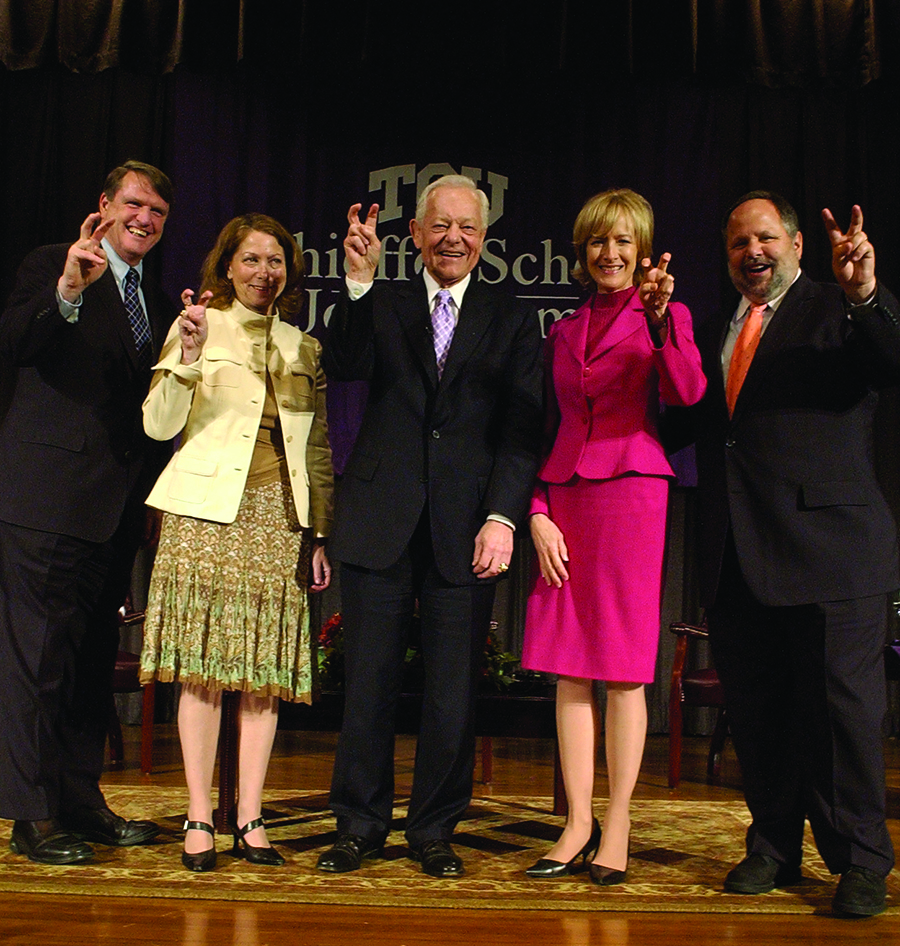
 On the 2007 panel were Tim Russert, Bill Keller, Jan Crawford Greenburg and Earl G. Graves. (Photo by Linda Kaye)
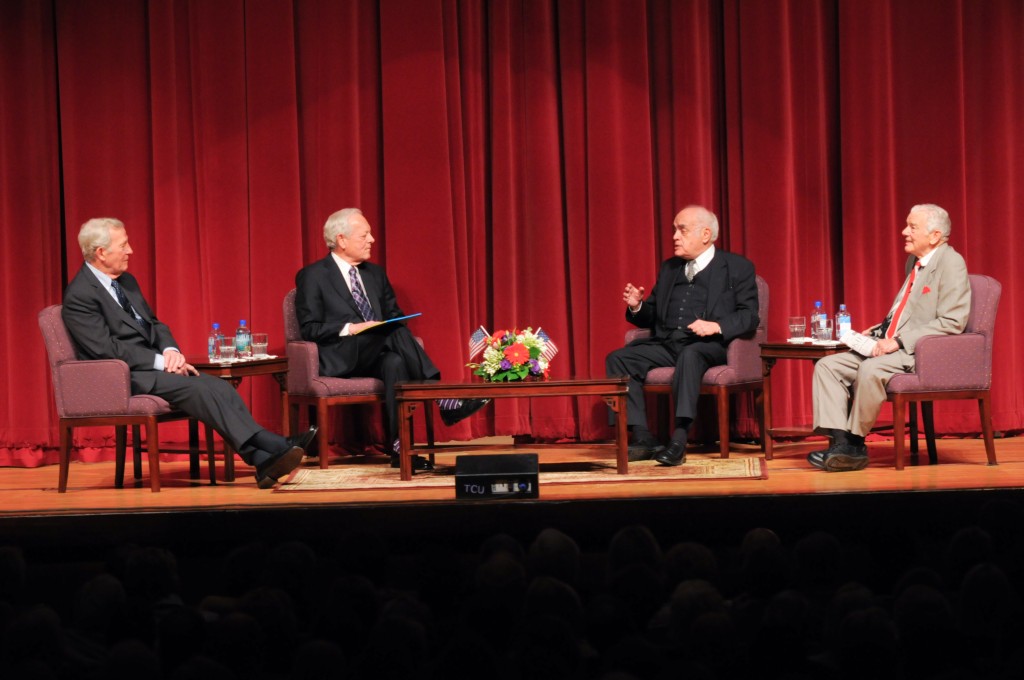 The 2008 panel was highlighted by Roger Mudd, Robert Novak and Al Neuharth. (Photo by Glen E. Ellman)
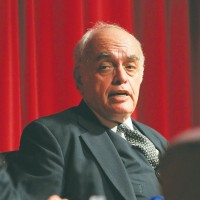
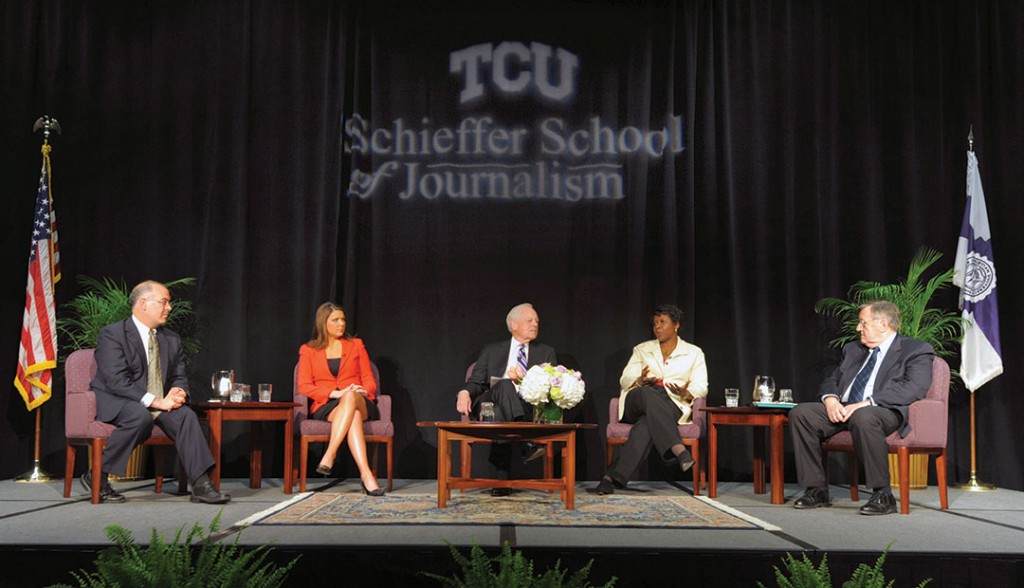 In 2009, panelists included David Brooks, Trish Regan,Gwen Ifill and Mark Shields. (Photo by Glen E. Ellman)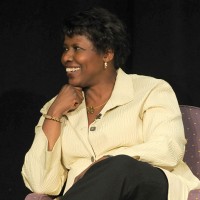
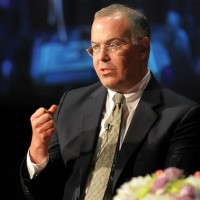
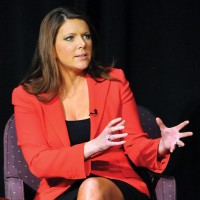
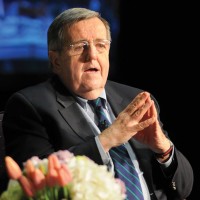
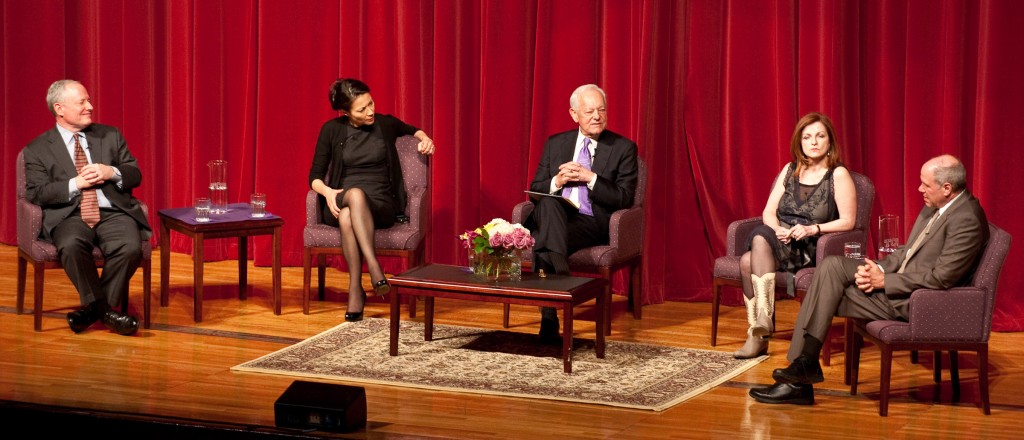 The 2010 symposium featured William Kristol, Maureen Dowd, Ann Curry and Michael Eisner. (Photo by Glen E. Ellman)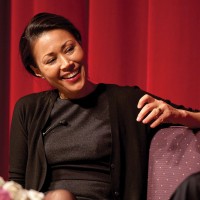
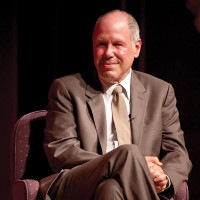
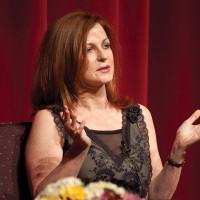
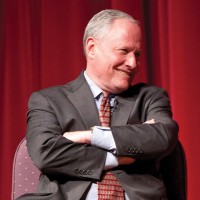
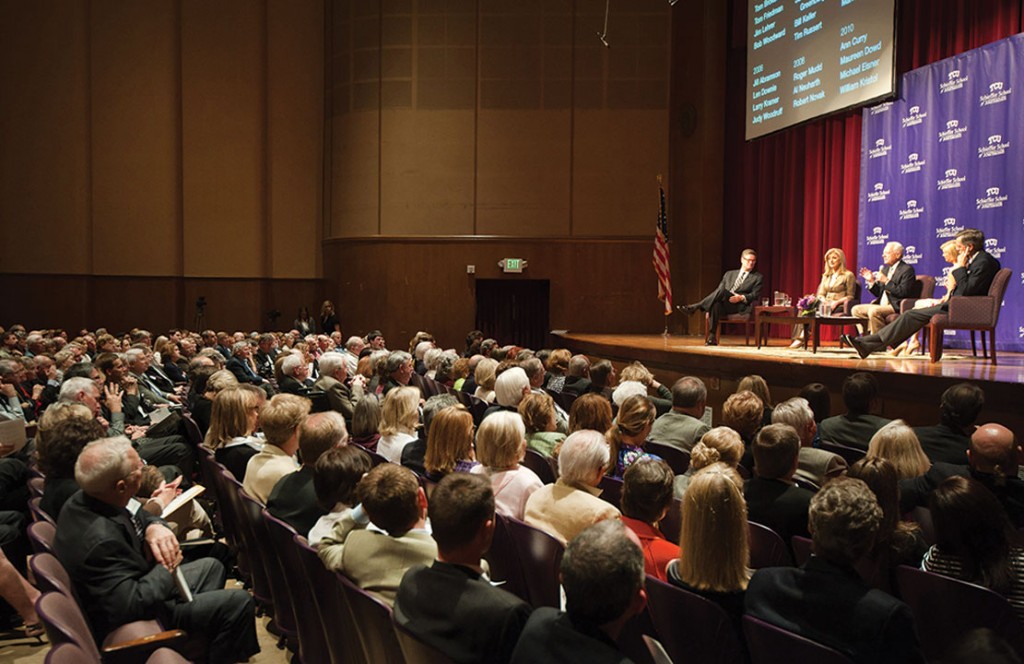 Panelists in 2011 includedJoe Scarborough, Arianna Huffington, Mika Brezezinski and Brit Hume. (Photo by Glen E. Ellman)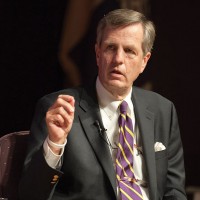
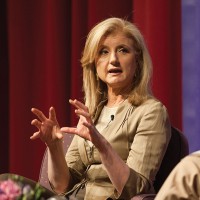
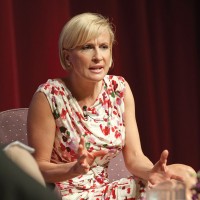
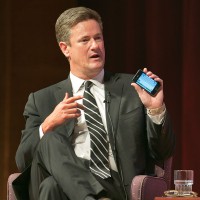
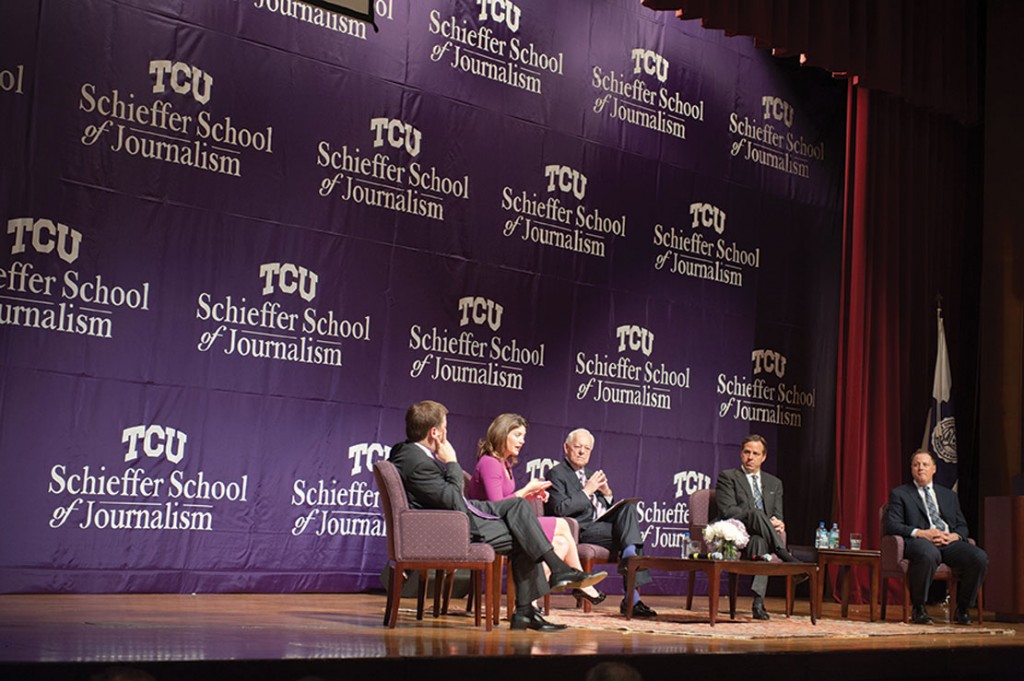 In 2012, the symposium welcomed Chuck Todd, Norah O’Donnell, Jake Tapper and John Harris. (Photo by Glen E. Ellman)
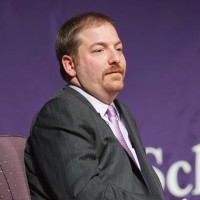
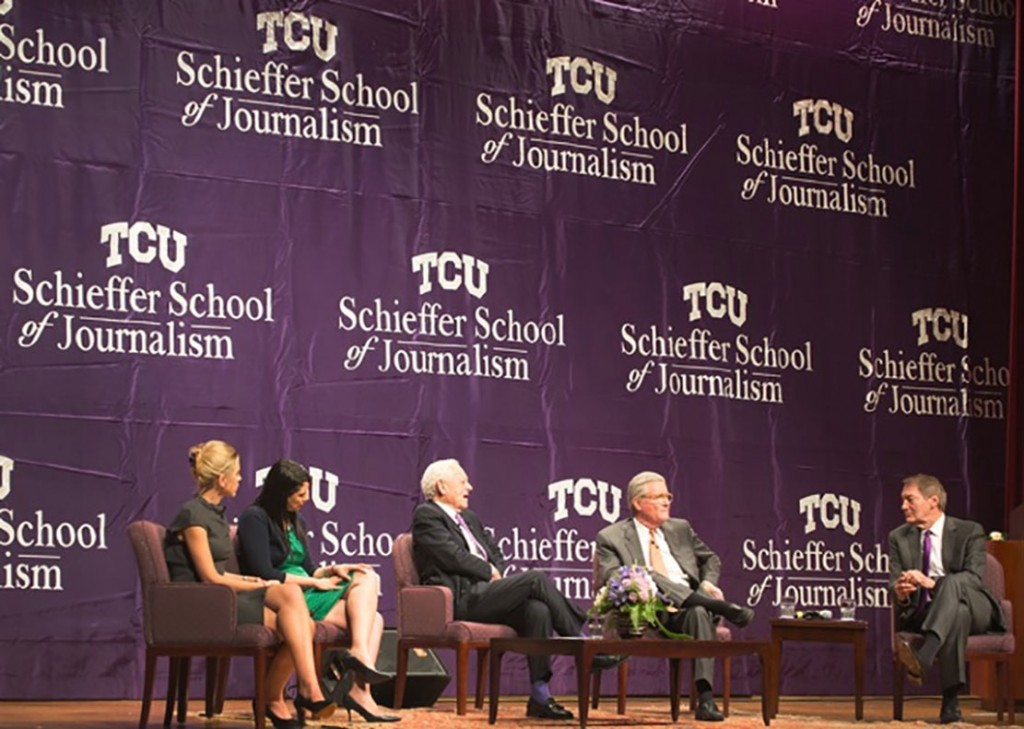 The 2013 forum included Clarissa Ward, Nancy Youssef, Fred Barnes and Charlie Rose. (Photo by Glen E. Ellman)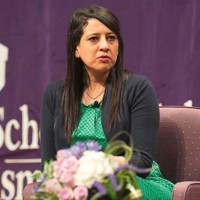
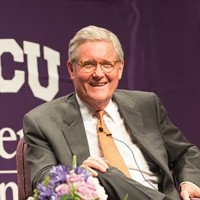
 A sellout crowd heard symposium speakers Bob Woodward, Jane Pauley, Peggy Noonan and Scott Pelley. (Photo by Glen E. Ellman)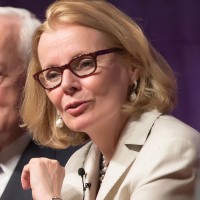
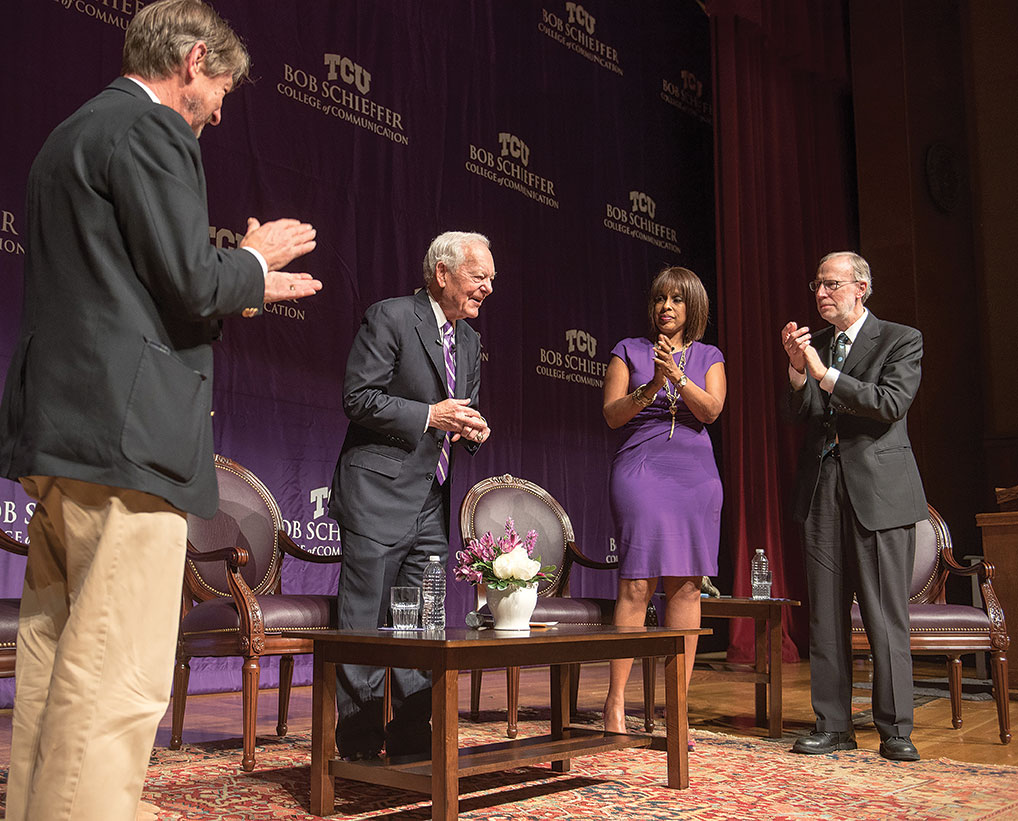 In 2015, Bob Schieffer ’59 announced his retirement from CBS with applause from panelists P.J. O’Rourke, Holly Williams, Gayle King and Dan Balz. (Photo by Glen E. Ellman)